Rotisserie Air Fryers: A Modern Twist on Cooking Methods
Introduction
As someone who loves to experiment in the kitchen, I've always been intrigued by the idea of air fryers. With their ability to create crispy, delicious dishes without the need for excessive oil, air fryers have become a staple in many modern kitchens. Among the various types of air fryers available, rotisserie air fryers have caught my attention. These innovative appliances not only cook food evenly but also add a touch of tradition with their rotisserie-style cooking. In this article, I'll delve into the world of rotisserie air fryers and explore how they compare to traditional air fryers.
What is a Traditional Air Fryer?
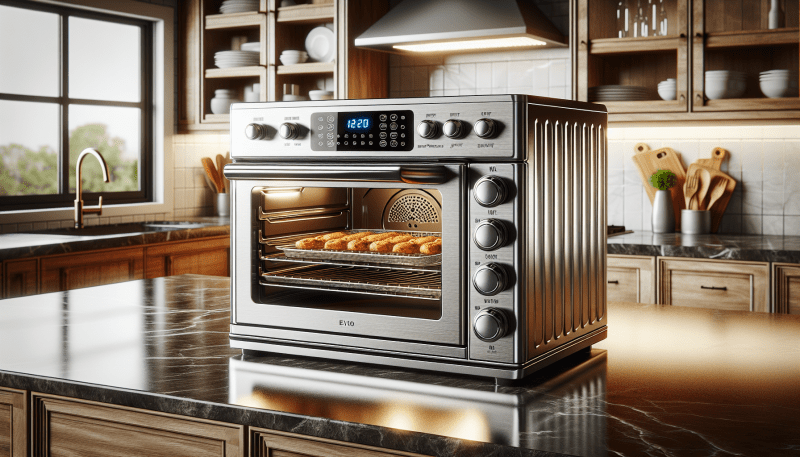
When it comes to traditional air fryers, they work by circulating hot air around the food to cook it quickly and evenly. This method creates a crispy exterior without the need for excess oil, making dishes healthier and more enjoyable. Traditional air fryers are known for their versatility, allowing you to cook a wide range of foods, from crispy fries to juicy chicken breasts. As someone who values health and efficiency in the kitchen, traditional air fryers have been a game-changer for me.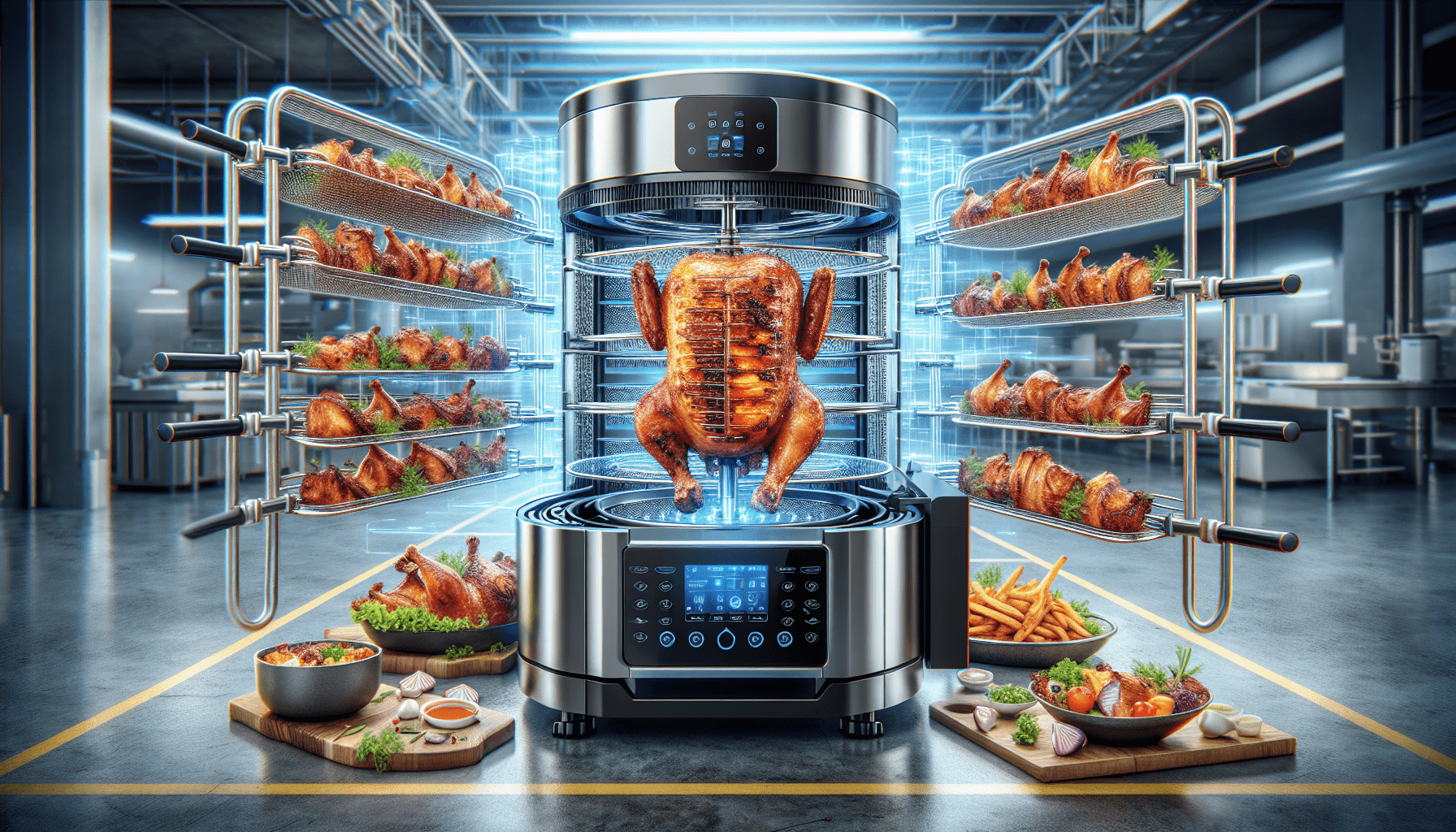
What is a Rotisserie Air Fryer?
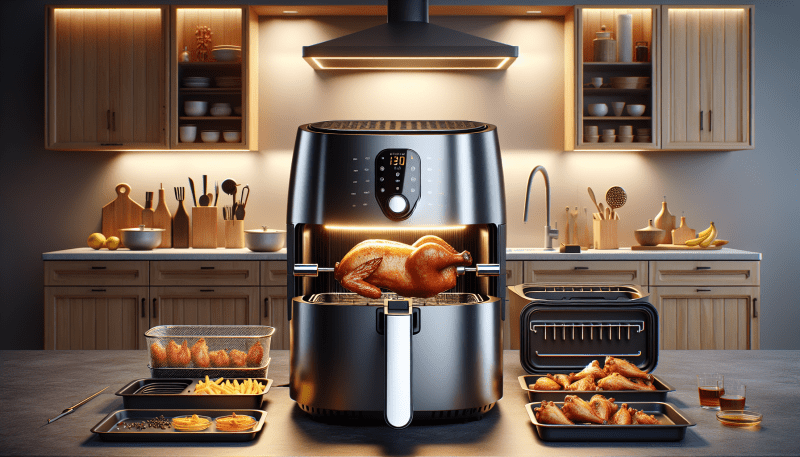
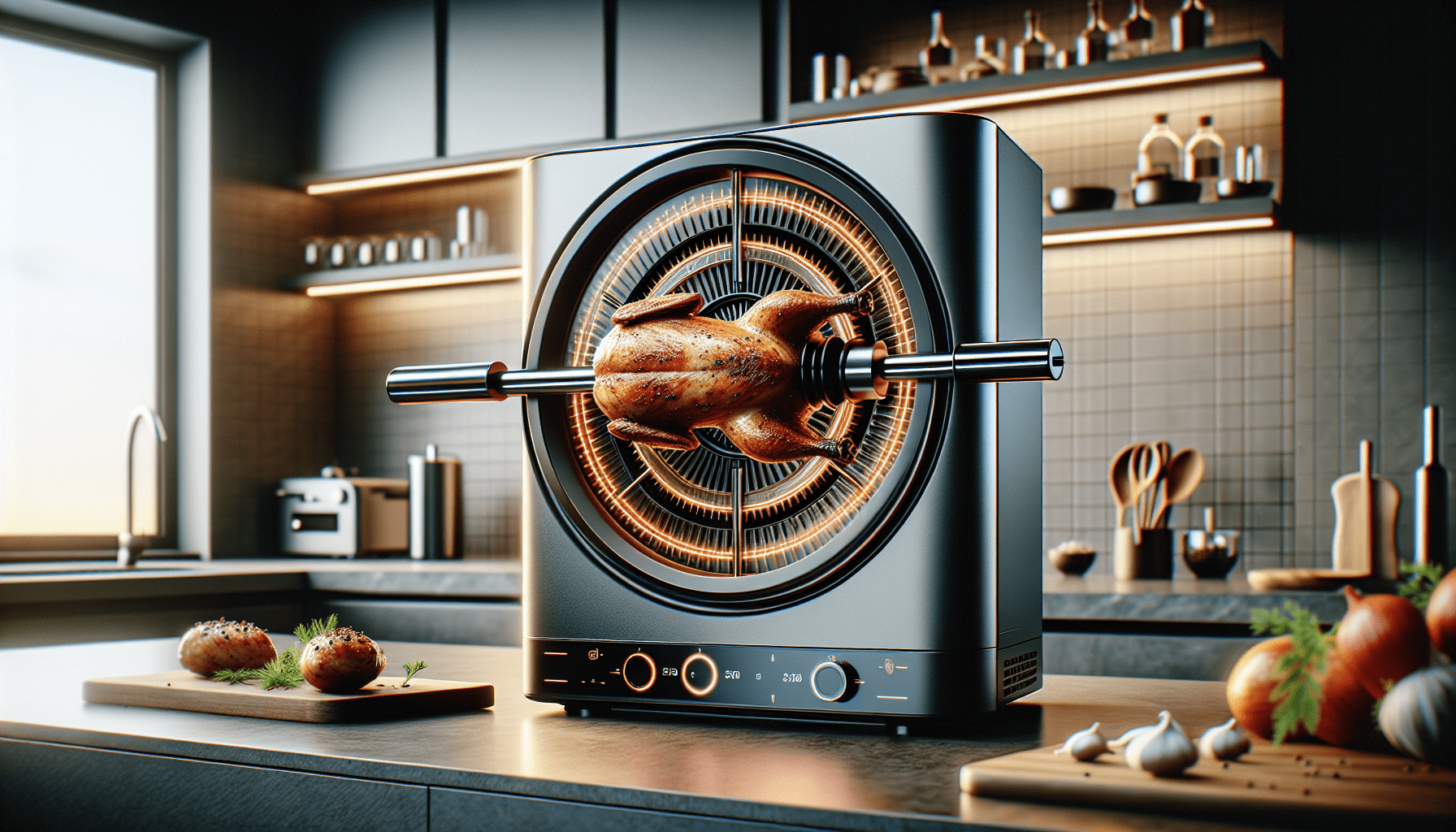
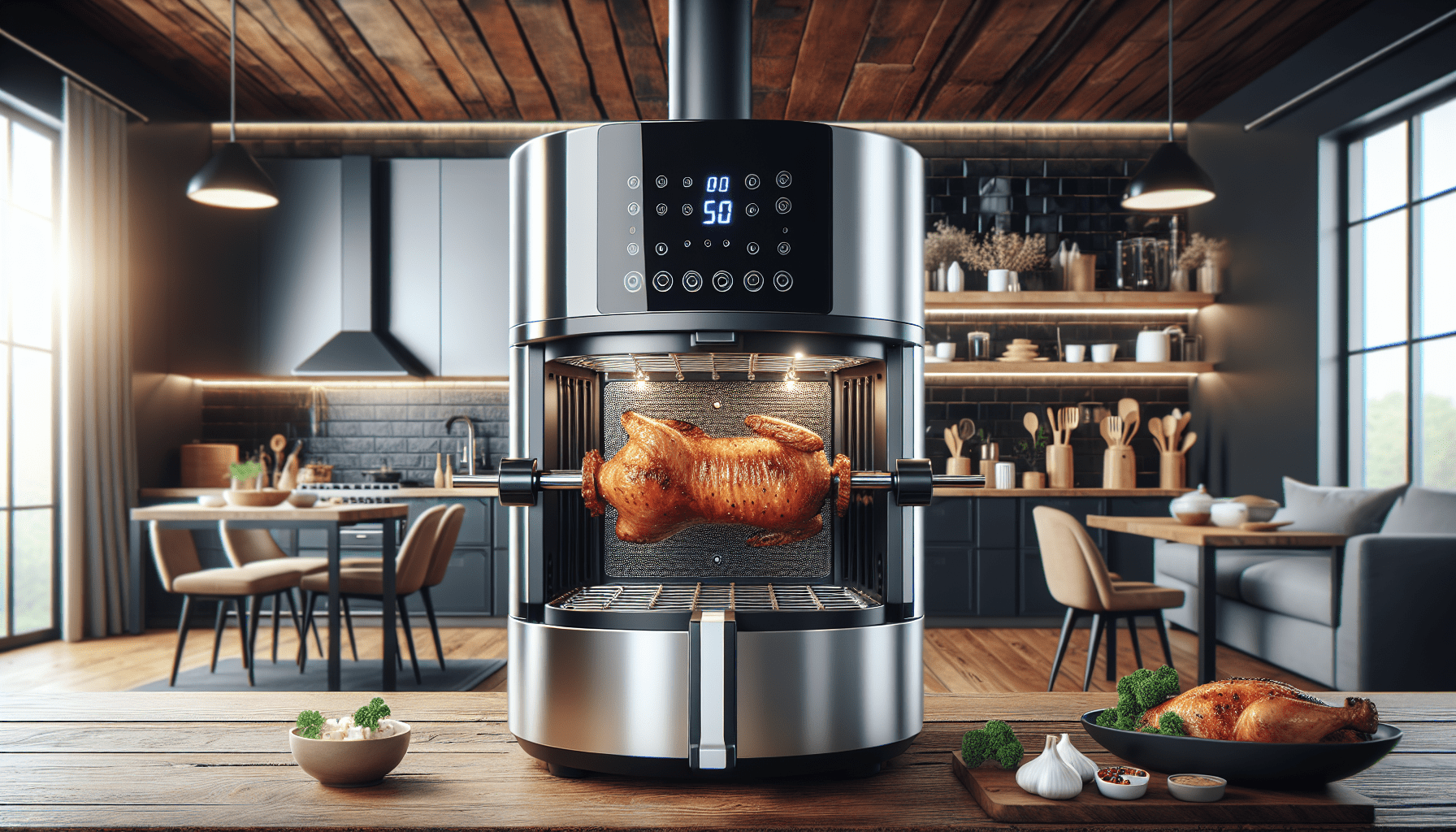
Rotisserie air fryers take the concept of traditional air fryers one step further with their unique rotisserie function. This specialized feature allows the food, typically meat like chicken or pork, to rotate during cooking, ensuring even heat distribution and a crispy exterior. With a touch of nostalgia for the traditional rotisserie cooking method, rotisserie air fryers elevate the cooking experience by providing delicious, evenly cooked dishes every time. If you're like me and appreciate the art of cooking, a rotisserie air fryer might be just what you need in your kitchen.
Key Differences Between Rotisserie and Traditional Air Fryers
Both rotisserie air fryers and traditional air fryers offer similar benefits, such as healthier cooking with less oil. However, there are distinct differences between the two types of appliances that can impact your cooking experience. Rotisserie air fryers excel in even cooking and the ability to cook larger meat cuts, while traditional air fryers are more compact and budget-friendly. Understanding these variations can help you choose the right appliance for your culinary adventures.
Pros and Cons of Rotisserie Air Fryers vs. Traditional Air Fryers
When weighing the pros and cons of rotisserie air fryers versus traditional air fryers, it's essential to consider your cooking habits and preferences. Rotisserie air fryers shine in cooking large cuts of meat and providing even heat distribution, but they come with a larger size and higher price tag. On the other hand, traditional air fryers are more compact, cook smaller meals quickly, and are budget-friendly, though they lack the rotisserie function. By evaluating these factors, you can determine which type of air fryer best suits your culinary needs.
Which One Should You Choose?
The decision between a rotisserie air fryer and a traditional air fryer ultimately depends on your cooking style and requirements. If you often prepare large, rotisserie-style dishes and need the convenience of automatic rotation, a rotisserie air fryer might be the perfect fit for your kitchen. On the other hand, if you cook smaller meals, snacks, and prefer a more compact and budget-friendly option, a traditional air fryer could be the ideal choice. Consider your cooking habits, kitchen space, and the type of dishes you enjoy preparing to select the air fryer that aligns with your culinary aspirations.
As an advocate for modern cooking methods that enhance efficiency and flavor, I believe that rotisserie air fryers offer a delightful twist on traditional air fryers, bringing the art of rotisserie cooking into the modern kitchen. Whether you opt for the classic simplicity of a traditional air fryer or the innovative functionality of a rotisserie air fryer, explore how these appliances can transform your culinary creations and elevate your cooking experience.